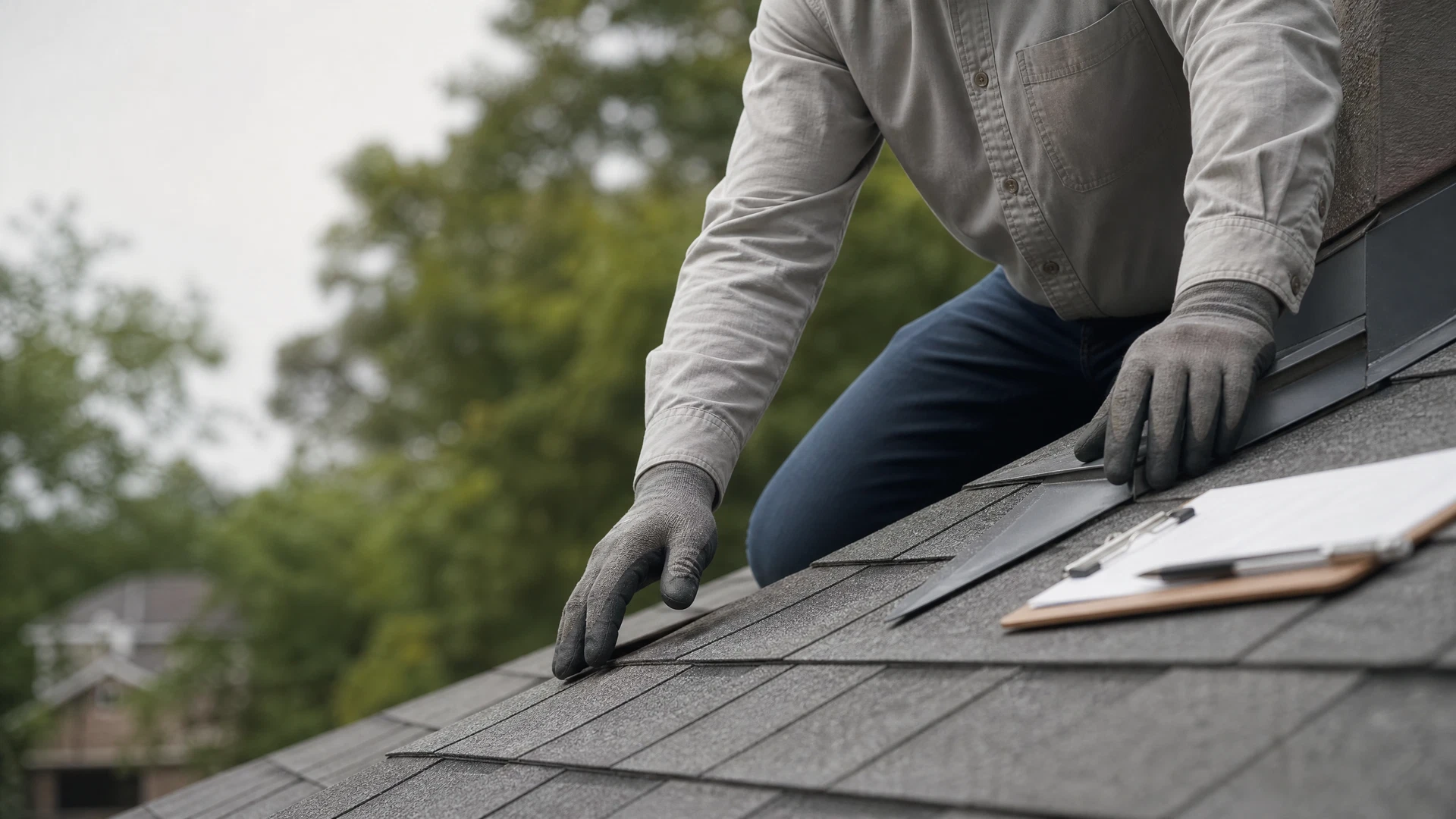
“The best policy is to get bids from more than one person for any work you are going to have done on your house.”
— Office of the Attorney General of Texas, “How to Avoid Home Improvement Scams”
Choosing a roofer is not just selecting the lowest figure. A useful proposal describes what will be removed, repaired, installed, protected, and cleaned up; it identifies materials and accessories; and it explains payment milestones. Two quotes can have very different scopes even when the totals look similar.
Begin with written comparisons
Request more than one written bid and compare the exact work, material names, warranties, ventilation details, flashing work, deck-replacement terms, cleanup, and schedule. The Texas Attorney General advises consumers to get bids in writing and look for detail about exactly what will be done. If a bid is dramatically lower than the others, ask what is excluded instead of assuming it is a better value.
Verify claims rather than relying on logos
Ask for the company's name, local physical address, telephone number, proof of insurance, and references. Verify coverage using the contact information for the insurer rather than a number supplied informally. A manufacturer credential can be one point of information, but it does not remove the need to review the contractor's own scope, insurance, and contractual commitments.
Read before signing
Never sign a contract with blanks, and do not allow time pressure to replace understanding. Confirm the scope, price, project start and completion expectations, payment schedule, change-order process, warranty information, and what happens if concealed deck damage is found. Keep complete copies of documents and payment records.
Treat deductibles and promises carefully
Texas guidance states that a contractor offering to waive a deductible or promising a rebate for it is acting unlawfully. A contractor should not pressure a homeowner to sign an assignment or other paperwork before the homeowner understands it. When insurance is involved, the homeowner should communicate directly with the insurer and compare the contractor's scope with the adjuster's report.
Sources and further reading
Original sources are provided so you can review the complete guidance in context.
Next step
Ready to discuss a new roof?
Share the property basics and timing in a secure inquiry.