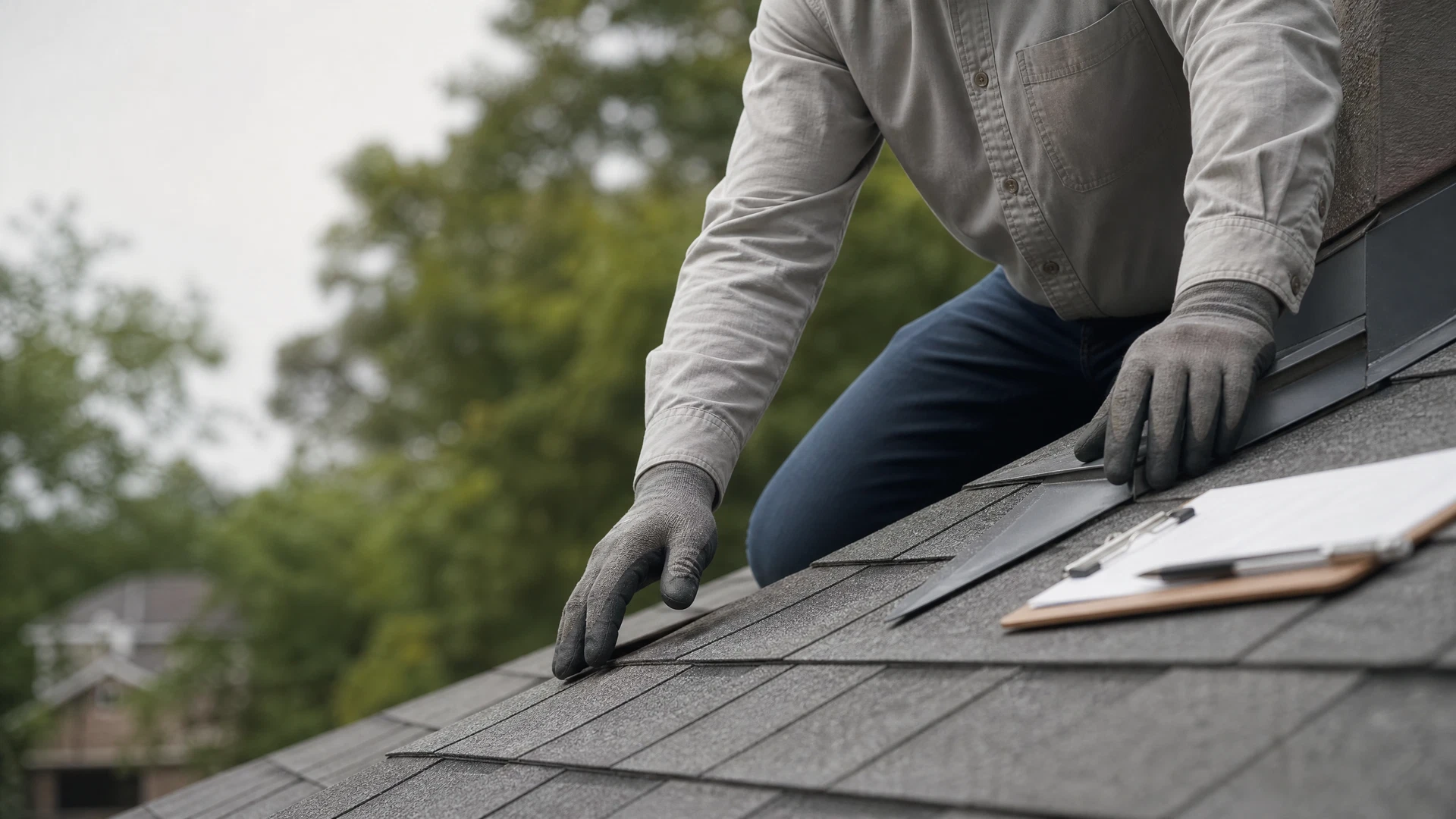
“Moisture control is the key to mold control.”
— Occupational Safety and Health Administration, “A Brief Guide to Mold in the Workplace”
Mold is not a roof diagnosis. It is a sign that moisture, a suitable surface, and time have come together. A roof leak may be the source, but so can condensation, ventilation problems, plumbing, or water managed poorly around the building. The first task is to identify and correct the moisture pathway; cleaning visible growth without resolving the water problem risks a repeat condition.
Look for conditions, not labels
Musty odors, discolored wood, damp insulation, stained ceilings, and repeated moisture after rain should be documented. Avoid making medical claims based on sight or smell. OSHA states that there are no federal standards or recommendations for airborne concentrations of mold or mold spores, and it recommends consulting a medical professional about emerging health concerns. A roofing resource should be clear about this boundary.
Fast, careful drying matters
OSHA advises prompt action when water leaks or spills occur indoors and explains that cleaning, drying, or removing water-damaged materials within 24–48 hours can prevent or limit mold growth. That does not mean every homeowner should conduct remediation. The extent, materials affected, contamination source, and occupant health considerations matter. For a broad area, suspected contamination of HVAC components, or a complicated attic condition, seek appropriately qualified help.
Separate repair scope from remediation scope
A roofer may identify and repair the exterior water entry point. A mold assessor or remediator may have a distinct role where regulated remediation is needed. In Texas, homeowners should verify which professionals must be licensed for the work at hand and keep the assessment, written scope, photographs, and completion records. Do not accept a vague promise that a roof repair alone resolves every indoor moisture issue.
A homeowner's documentation file
Retain before-and-after photos, moisture observations, invoices, a copy of the roof scope, and records of any assessment. This supports maintenance planning and may be useful when discussing coverage with an insurer. The goal is a dry, stable building assembly—not merely a cleaner-looking surface.
Sources and further reading
Original sources are provided so you can review the complete guidance in context.
Next step
Ready to discuss a new roof?
Share the property basics and timing in a secure inquiry.